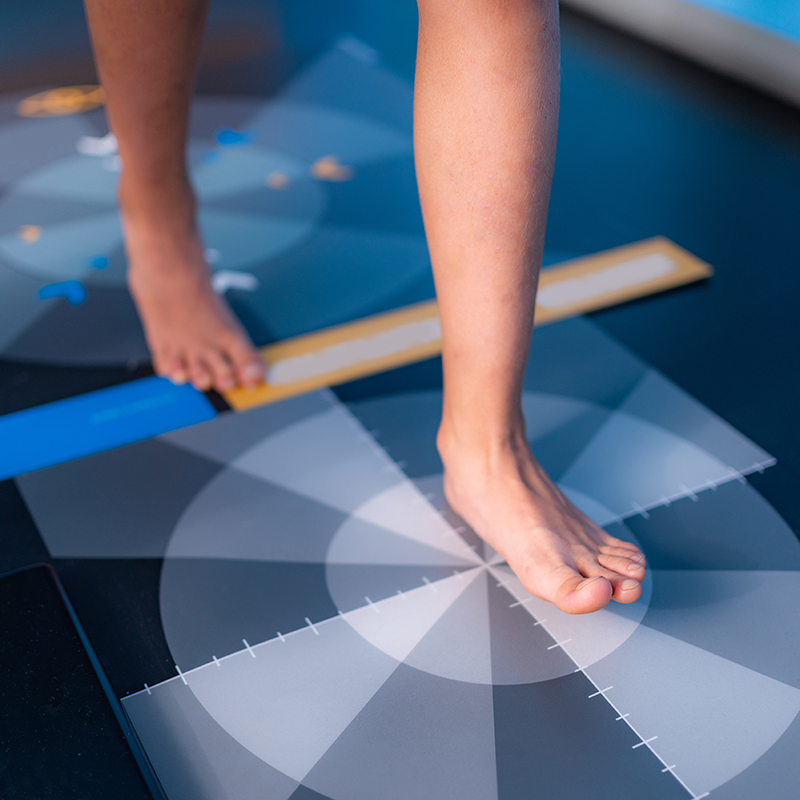
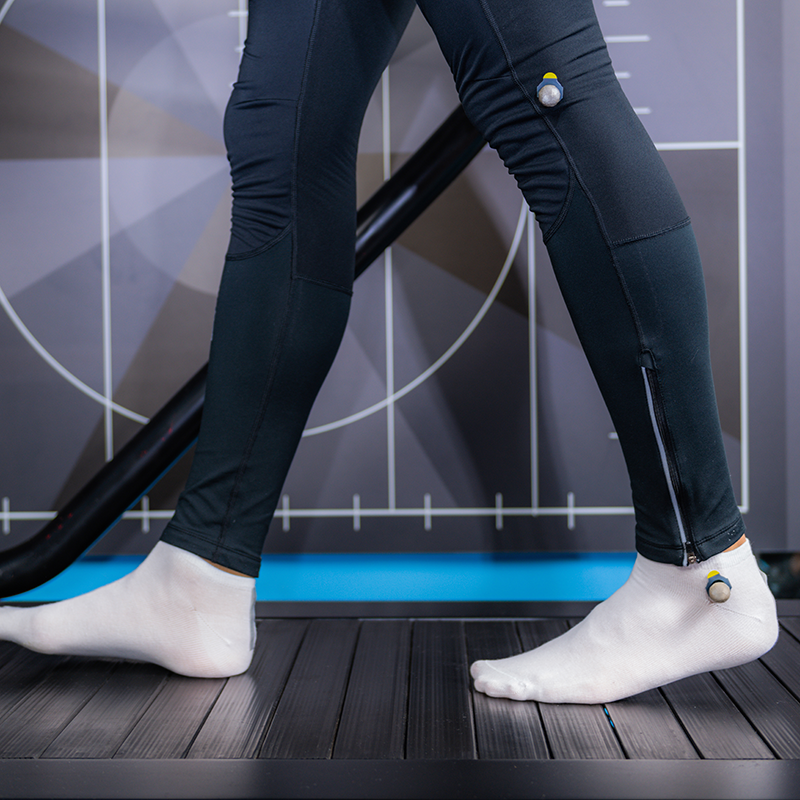
Gait analysis is the study of human walking patterns, focusing on the biomechanics of how a person moves. It involves the systematic assessment of the gait cycle, which is the sequence of motions between consecutive heel strikes of the same foot. Gait analysis is used to evaluate, diagnose, and treat individuals with conditions affecting their ability to walk.
Components of Gait Analysis:
1. Kinematics: This involves the movement of the body parts, including the angles of the joints and the trajectory of the limbs.
2. Kinetics: This looks at the forces involved in movement, such as ground reaction forces, muscle activity, and joint torques.
3. Temporal-Spatial Parameters: These include factors like walking speed, stride length, and cadence (steps per minute).
4. Electromyography (EMG): This measures muscle activity during walking.
5. Pressure Analysis: This examines the distribution of pressure on the foot during walking, often using specialized mats or insoles.
Helps in diagnosing conditions such as cerebral palsy, stroke, and musculoskeletal disorders. It’s also used to monitor the effectiveness of treatments or rehabilitation.
Sports Performance: Athletes use gait analysis to optimize performance and prevent injuries.
Orthotics and Prosthetics: Assists in the design of custom orthotics, prosthetic limbs, and other mobility aids.
Research and Development: Used in biomechanics research to understand human movement better.
Kalichman L, Vulfsons S. Dry Needling in the Management of Musculoskeletal Pain. Journal of the American Board of Family Medicine. 2010: 23 (5); 640-646.