

Get Your First Chiropractic Visit for Just $69! (Save over 40%). Claim Offer

Balance Issues

A woman stands on a mat in a well-lit room

Fall Prevention

Falling and the risk of falling is problematic, for a couple of reasons:

1. The only way to know our balance is to test our balance, which means falling! (which is problematic for all!)

2. In the over 60s it can be a leading cause of fractures which result in significant hospitalization.

There are a number of great tests that can be used to test someone’s balance. Some examples we use in the clinic are:

1. SINGLE LEG BALANCE TESTS (SLBT) – timing patient balancing on one leg (eyes open/closed). The longer you last the better.

2. TIMED UP & GO (TUG) test – time takes a patient to get up from chair & get walking 3 metres, turn, return to chair & sit down.

3. DIGITAL GAIT/BALANCE ASSESSMENT– with our pressure mat we can test your balance and get a digital record of your ability. This is very objective way of measuring progress.
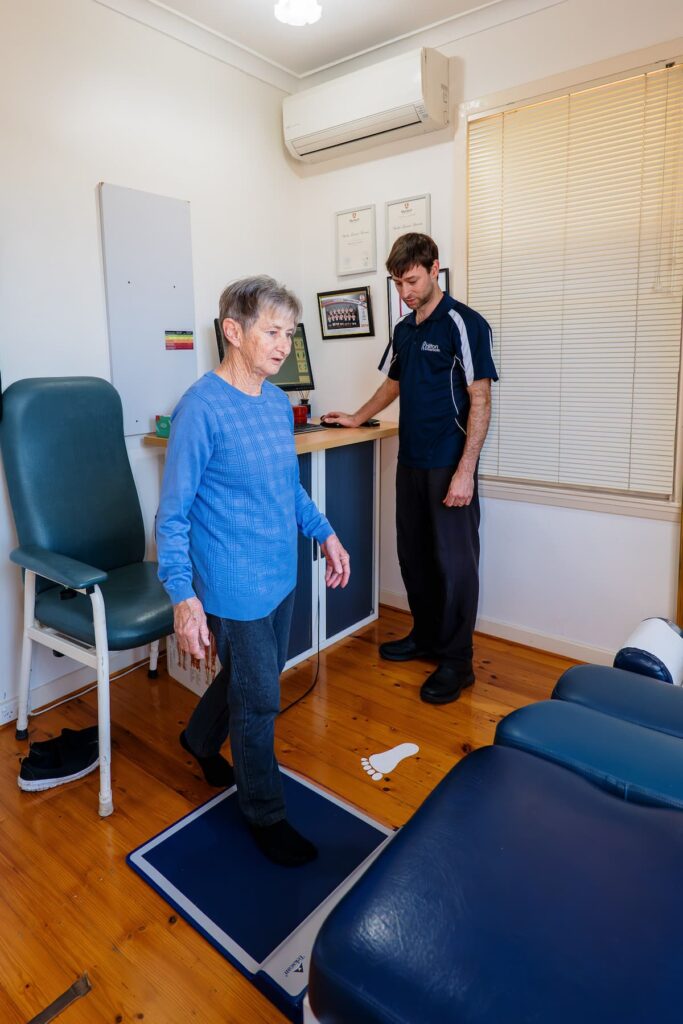
A woman stands beside a man in a well-lit room, both engaged in conversation.

Ways to Prevent Falls

  1. GET TESTED EARLY – ALL OVER 60s or anyone concerned with their balance!
  2. EXERCISE – specifically exercises that challenge balance in a safe way; e.g. tai chi, yoga, …
  3. VIT D/CALCIUM– appropriate vitamin D & Calcium levels allow for good bone production. It’s important to test your bone density too (DEXA scans).
  4. REDUCE BENZODIAZAPINE – with guidance from your doctor, it is recommended to reduce drugs that contribute to dizziness.
  5. GET EYES TESTED:
    • DON’T USE MULTIFOCALS – if you can help it try not to use multifocals (especially if you are walking around).
    • Get cataracts fixed
  6. GET BALANCE/FEET ASSESSED – helps with your ability to walk & get around.

How can Chiropractic help?

  1. Proprioceptive Enhancement:
    • SMT has been shown to enhance proprioception, which is crucial for maintaining balance and spatial orientation. A study published in the Journal of Manipulative and Physiological Therapeutics (2010) demonstrated that cervical spine manipulation improved joint position sense in patients with chronic neck pain, suggesting a potential benefit for balance as well.
  2. Effects on Sensorimotor Function:
    • SMT may influence sensorimotor integration, which plays a role in balance control. Research published in the Journal of Electromyography and Kinesiology (2012) found that spinal manipulation altered sensorimotor function in healthy individuals, indicating a potential mechanism for improving balance.
  3. Systematic Reviews and Meta-Analyses:
    • A systematic review and meta-analysis published in the journal Chiropractic & Manual Therapies (2016) assessed the effectiveness of SMT for various musculoskeletal conditions, including its impact on balance. While the review found limited high-quality evidence specifically on balance, it suggested that SMT may have positive effects on neuromuscular function, which could potentially translate to improvements in balance.
  4. Clinical Trials and Experimental Studies:
    • Several experimental studies have investigated the acute effects of SMT on balance parameters. For instance, a study published in the Journal of Manipulative and Physiological Therapeutics (2004) examined the immediate effects of thoracic spine manipulation on postural stability and found significant improvements in balance measures.
  5. Patient Reports and Clinical Observations:
    • Many chiropractors report anecdotal evidence and case studies where patients experienced subjective improvements in balance following SMT. While anecdotal, these reports contribute to understanding the potential clinical benefits.
  6. Mechanical and Neurophysiological Mechanisms:
    • SMT may affect spinal mechanics and neurophysiological processes that influence balance control. Research in this area is ongoing and aims to elucidate the specific mechanisms through which SMT may impact balance.

Overall, while there is suggestive evidence from various studies and clinical observations supporting the potential benefits of SMT for balance improvement, more high-quality research, including randomized controlled trials with larger sample sizes and longer-term follow-ups, is needed to establish definitive conclusions. Individuals considering SMT for balance issues should consult with qualified healthcare providers to determine the most appropriate treatment plan based on their specific health conditions and needs. We are happy to discuss these options with you at Hilton Chiropractic.

References

Clinic Hours

Monday:

8:00am - 11:00am

Tuesday:

8:00am - 11:00am

2:30pm - 5:45pm

Wednesday:

9:00am - 12:00pm

2:30pm - 5:45pm

Thursday:

2:30pm - 5:45pm

Friday:

8:00am - 11:00am

Saturday:

8:00am - 11:00am